When it comes to camping tents, the choices can feel overwhelming. But don't worry! Let's break down the different types so you can figure out what suits your adventure best.
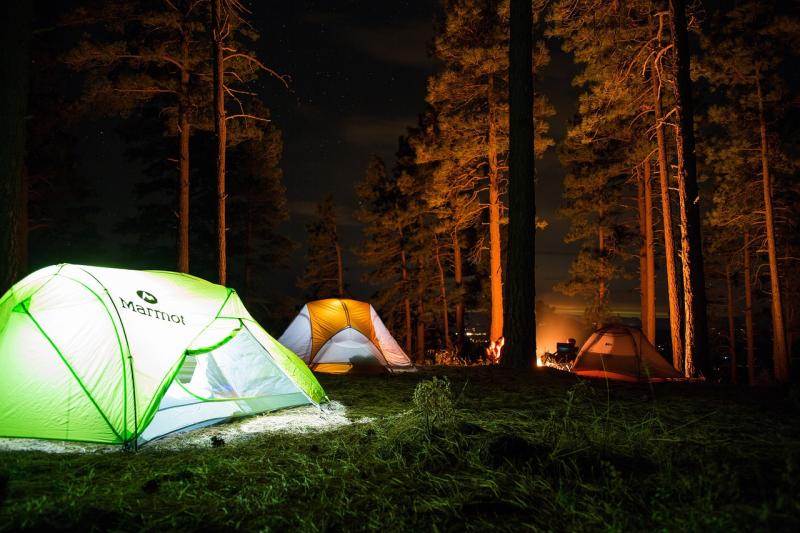
Dome Tents are super popular for a reason. They’re easy to set up, have a sturdy design that stands up well against wind, and provide good headroom inside. Perfect for small groups or families. You can find them in a variety of sizes, so there’s definitely one that fits your needs.
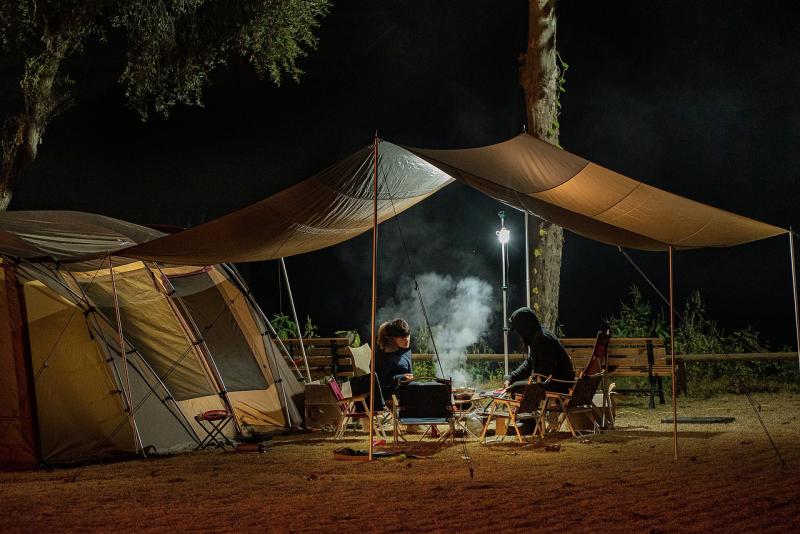
If you’re after something really spacious, Cabin Tents are your go-to. These tents offer tall walls and plenty of space for standing up comfortably. They usually come with a room divider, making them great for families or groups who want a bit of privacy. Just keep in mind, they can be a bit bulkier to carry around.
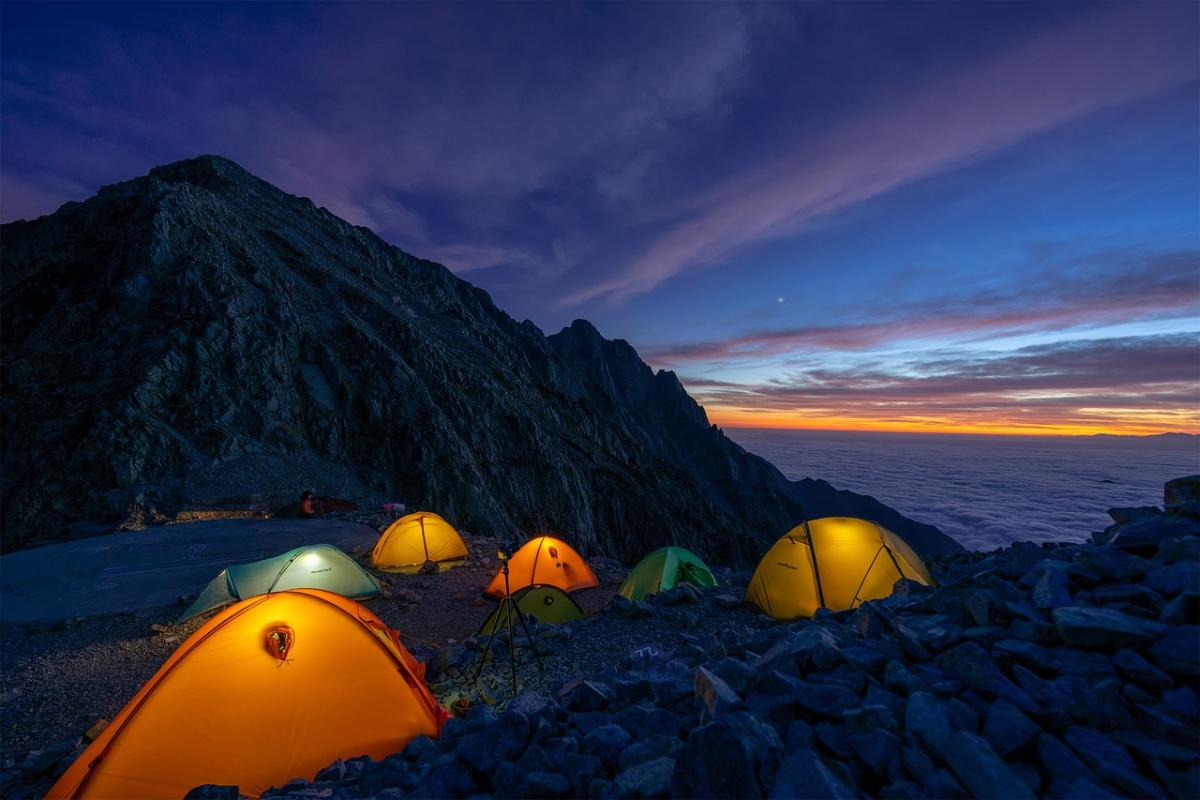
Backpacking Tents are all about being lightweight and compact. If you're hitting the trails and need to carry everything on your back, these are the way to go. They pack down small and are designed for quick setups, so you can spend less time pitching and more time enjoying the outdoors.
Finally, if you want to go all out, consider a Hybrid Tent. These combine features from different styles—like having a cabin-style layout but still being light enough for backpacking. They’re versatile and can tackle various weather conditions, making them a great pick for adventurous campers who want it all.
Key Features to Look For
When you're on the hunt for the perfect camping tent, there are some key features you definitely want to keep an eye on. First off, consider the capacity. You want a tent that fits everyone comfortably. If you're camping solo, a two-person tent might be enough. But if you have a family or a group, look for something bigger. Make sure it has extra space for gear too!
Next up is weather resistance. Look for tents made with durable materials and quality waterproofing. You don’t want to wake up in a puddle after a surprise rainstorm. Check if the tent has a rainfly or a good waterproof rating to keep you dry and cozy no matter what Mother Nature throws your way.
Ventilation is another important feature. Nobody wants to sleep in a stuffy tent – it can get super uncomfortable! Look for tents that have mesh panels or windows to promote airflow. This will help reduce condensation and keep the inside fresh, especially during warmer nights.
Weight matters too, especially if you're backpacking. You want something lightweight that won’t drag you down. Check the tent's packed size and weight before you buy to make sure it's manageable for you to carry.
Finally, think about ease of setup. Some tents are quick and easy to pitch, while others can be a hassle. Look for features like color-coded poles or pop-up designs if you prefer a setup that’s straightforward. You’ll be glad when you can relax instead of wrestling with complicated instructions!
Tips for Picking the Perfect Size
Choosing the right size tent can make or break your camping experience. You want everyone to fit comfortably without feeling cramped. Think about how many people you're camping with and the gear you'll bring along. A little extra room goes a long way.
Generally, tents are labeled with a maximum number of occupants. But keep in mind that the ideal number usually assumes everyone is cozy and close. If you like your space, go for a tent that can sleep a couple more than your actual group size. For instance, if you're camping with three pals, a four-person tent is a smart choice.
Don’t forget the gear! If you plan on storing backpacks, coolers, or anything else inside your tent, opt for extra space. A good rule of thumb is to add an additional person’s worth of space for your stuff. This way, you won’t be climbing over each other to find your stuff at night.
Check the tent’s dimensions before you buy. Tents come in various shapes, and some are roomier than others. Look for a tent with a taller center height if you want to be able to sit up comfortably. It’s nice to stand up and change clothes instead of doing a quick shuffle while hunched over!
Lastly, consider the setup. If you’re camping with family or a large group, a tent that splits into smaller sections can help manage space better. Some tents have dividers to create little private areas, making it more comfortable for everyone.
Setup and Maintenance Made Simple
Setting up your camping tent shouldn’t feel like rocket science. Most tents come with clear instructions, but let’s break it down to make it easy. First, find a flat, dry spot to pitch your tent. Look out for rocks and sticks that might poke through the bottom. Once you’ve got the perfect spot, lay out the footprint or tarp, if you have one, to protect your tent from moisture and dirt.
Next, unpack the tent and spread it out. Grab the poles and connect them, following the color-coded system (if your tent has one). Insert the poles into their designated spots. This is usually a straightforward process. Once everything is up, secure your tent with stakes to keep it in place against the wind, and don’t forget to check the rainfly if you're expecting some wet weather.
Maintenance is a breeze too. After your trip, clean off any dirt or debris. If your tent got wet, make sure to dry it out before packing it away. This helps prevent mildew and keeps your tent in great shape for your next adventure. Store your tent in a cool, dry place, and avoid packing it away tightly. Give it some room to breathe.
Sometimes you might need to do little repairs. Keep a basic repair kit handy with a few patches and some seam sealer. Minor tears or leaks can easily be fixed without losing time on your next camping trip. With a bit of care, your tent will be ready for many camping trips to come!